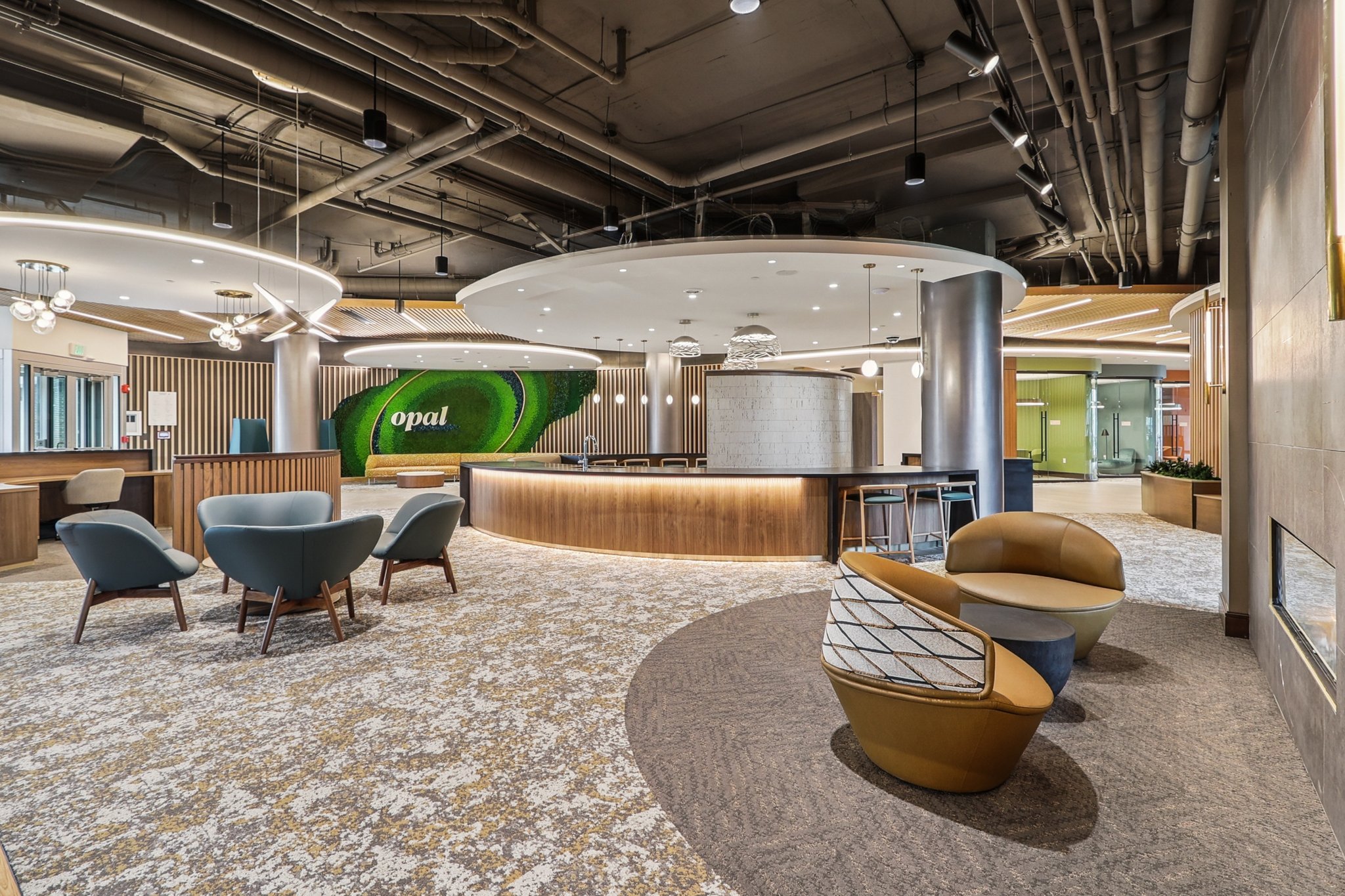
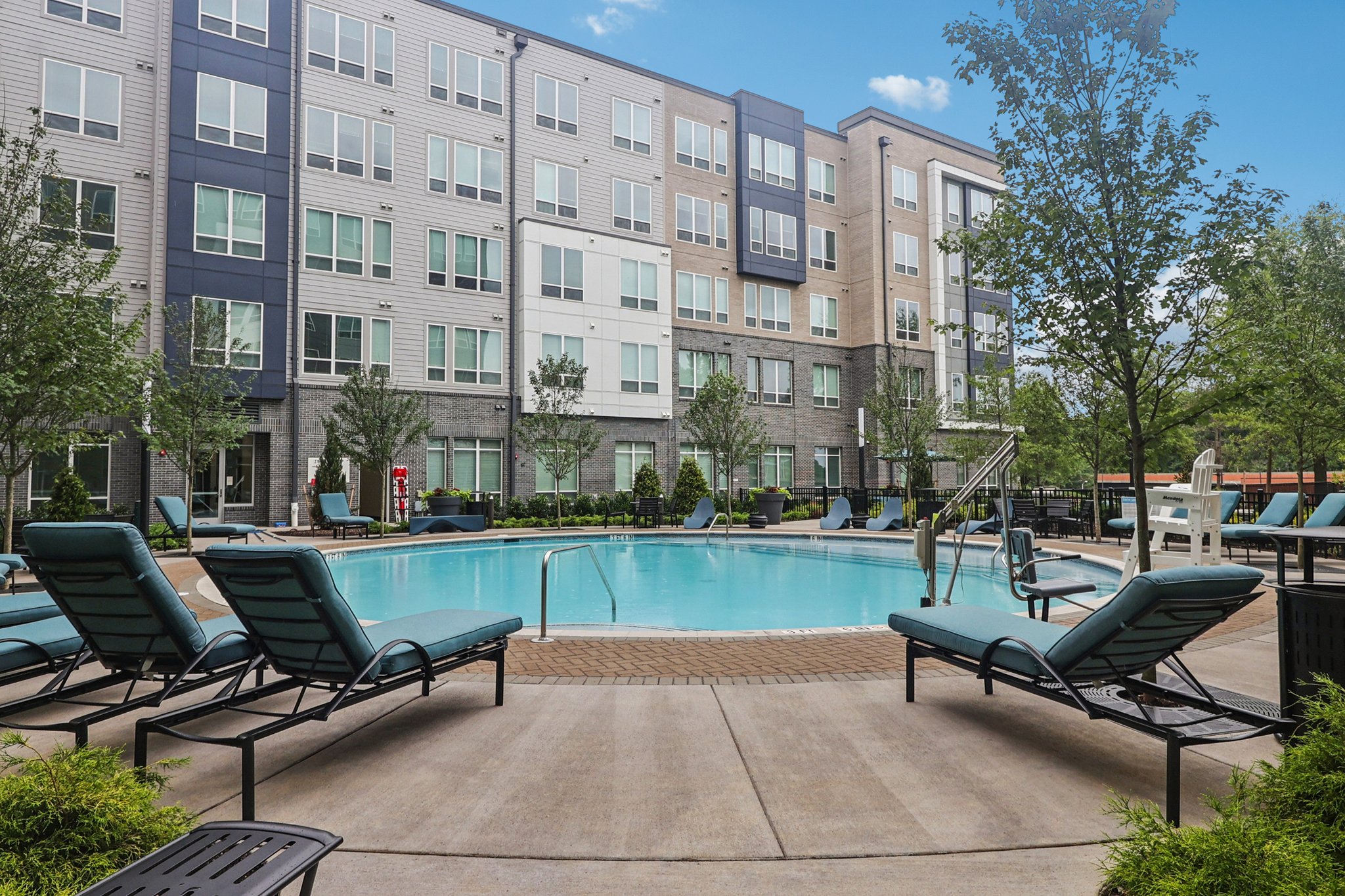
Opal at Largo Station, a 379-unit, luxury building, opened a year ago.
The lease-up of a multifamily property “is essentially a live market study.” That’s how Daniel Klein, President of Klein Enterprises, described the experience with Opal at Largo Station, the company’s largest multifamily development.
Current leasing activity at both new and existing multifamily properties is delivering clear insights about what multifamily developers and owners must do to thrive in a market characterized by steady demand and high costs.
Cost-conscious renters
Inflation and economic uncertainty are creating “more of a stay-in-place mentality” among renters, said Sean Garland, Chief Investment Officer at Klein Enterprises, which has developed nearly 3,000 multifamily units across the Mid-Atlantic. “Typically in Class A multifamily, you see an average of 50 percent turnover every year. We’re seeing that number drop pretty significantly.”
 That trend is a double-edged sword for multifamily owners. It is stabilizing occupancy — Klein’s portfolio is 95 percent leased — and reducing turnover costs. It is also reducing opportunities for rent increases at a time when operating and maintenance costs are climbing.
Keeping rental rates cost-competitive, however, is vital to retaining and attracting tenants.
“Pricing has become such a huge consideration,” Garland said. “Once renters view the product and services from one community to another as comparable, even a $100 monthly difference can become the deciding factor.”
Consequently, owners’ “margins compress a bit while we continue to provide service and maintain tenancy until we enter a period of higher growth and people can absorb rent increases again,” he said.
Quality matters
Even in a low-vacancy, cost-constrained market, renters are still seeking high-quality properties, desirable locations and a sense of community.
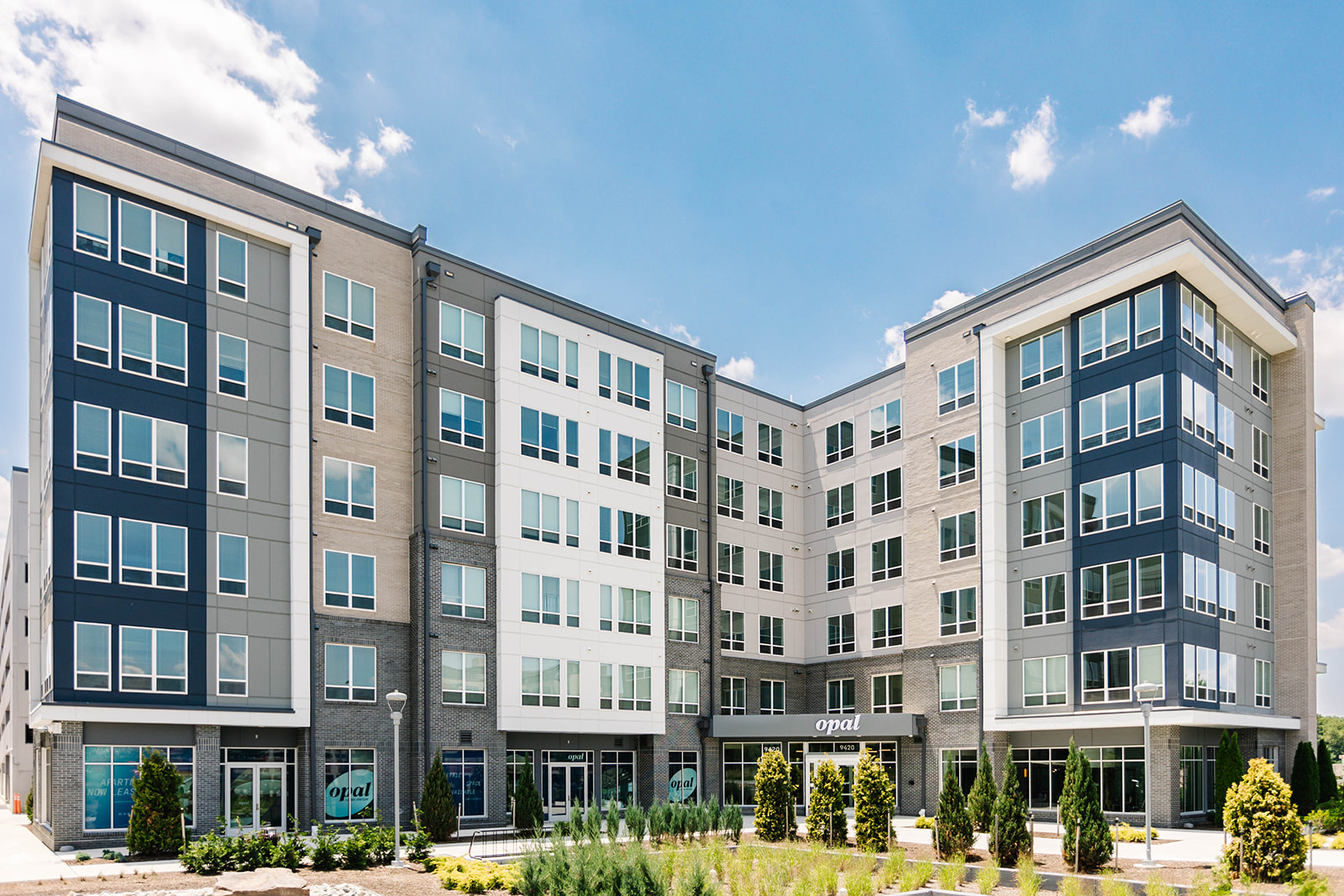 “A couple of years ago, we had the amenity war: Who could build the nicest gym, the nicest pool, the nicest work-from-home pods?” Garland said. “High-quality amenities are now table stakes rather than a differentiator they once were.”
Renters also want excellent onsite management and, increasingly, a greater sense of community. They want events onsite as well as gathering areas and online forums where they can connect with neighbors.
And location is still critical.
The lease-up of Opal at Largo Station demonstrated the power of location and smart design choices, he said. When the 379-unit, luxury building opened a year ago, Klein Enterprises targeted a 22- to 24-month lease-up.
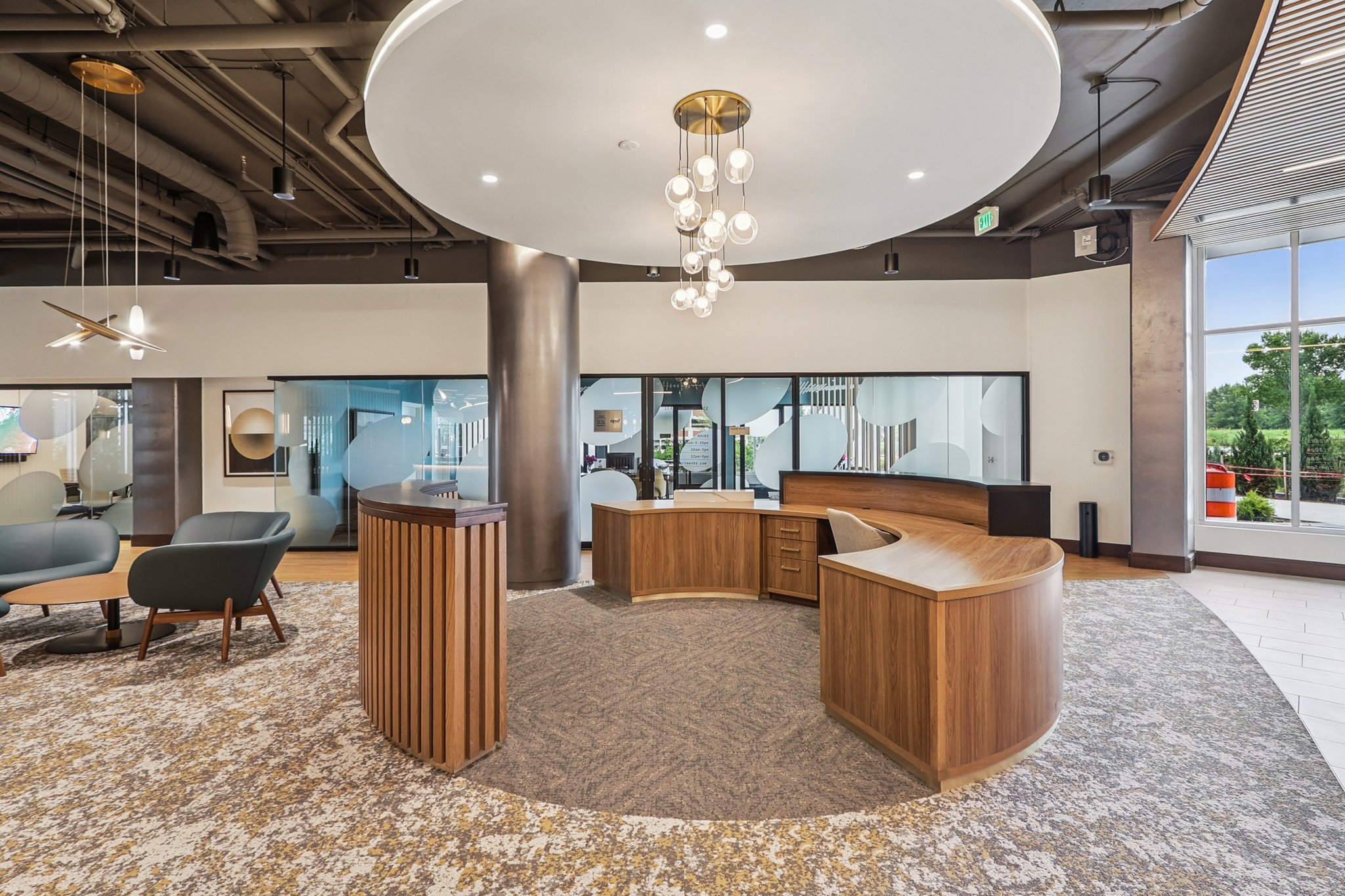 “We’re right on track, if not slightly ahead of schedule,” Garland said, noting the property is already 85 percent leased.
A key factor in Opal’s success is its location just steps from the Largo Metro station and next to the University of Maryland National Capital Region Hospital, he added. “We chose our location wisely and we were aggressive in pursuing this opportunity because of the location. That served us well.”
Patient Capital
Despite the demand for residential units in Maryland, rushing into new developments could be unwise.
 “We’re working on some early-stage projects but they aren’t quite penciling yet,” Garland said. “Capital is becoming more available and there are a lot of lenders willing to lend to good sponsors. But the cost of capital, labor and materials needs to come down.”
Chasing underwriting and accepting higher expenses have proven harmful to other developers, he noted, so Klein is waiting for economics to improve. Garland anticipates the company will start new projects in 2027 which will deliver in 2028/2029.
In this article: Klein Enterprises.